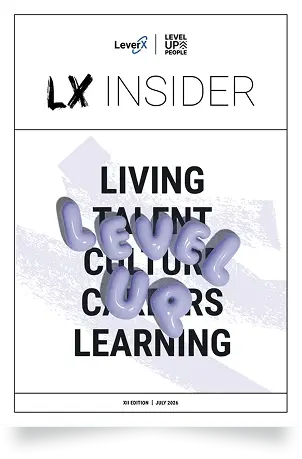
LX Insider. Where Innovation Meets the Human Soul TEST D


A letter from the
editorial team
What have you always wanted to ask your colleagues but never had the opportunity? Chances are, you’ll find at least some of the answers in these pages.
Inside are the views of 44 people, organized around four themes that shape how we live and work: Skills, Energy, Career, and World.
Skills
Results don’t appear out of nowhere. What looks like a new con- tract today may trace back to a first connection made through a carefully developed LinkedIn account. Behind a compelling pre- sentation, there may be months spent practicing on a theater stage. Here, colleagues share the skills they are building and why those skills matter now.
Energy
Life requires energy. For the teammates featured in this section, that energy comes from hobbies. Their five stories add up to 107 years spent doing what they love: football, producing electronic music, skateboarding, and painting. You’ll also meet team mem- bers whose passions center on animal welfare and volunteer work.
Career
Life requires energy. For the teammates featured in this section, that energy comes from hobbies. Their five stories add up to 107 years spent doing what they love: football, producing electronic music, skateboarding, and painting. You’ll also meet team mem- bers whose passions center on animal welfare and volunteer work.
World
And of course, we couldn’t neglect the wider world. Here, we zoom in on the LeverX office in Georgia and the streets of Tbilisi, where LeverX employees share the places they’d immediately send you to if you landed in the city for a couple of days.
It’s only the tip of the iceberg when someone lands a great role or joins an exciting project. Nine colleagues – from consultants to team leads and project managers – share what it took to get there.
Then we zoom out to project calls across continents, where con- tributors discuss the challenges of translation and recommend books that help decode different cultures.
We hope you enjoy the read.

The linked in habit:
Make consulting & development easier
How to stay visible while still being yourself on the largest professional digital network.
If you’ve been in tech long enough, you’ve probably noticed that your expertise no longer lives only in code, project documentation, or team meetings. Over time, it becomes your professional reputation: what people associate with you, what they expect from you, and whether they trust you.
That reputation is your personal brand. And LinkedIn is one of the few places where others can actually see it take shape.
Let’s be honest: few of us wake up thinking about what to post online. Between projects, client meet- ings, strategic decisions, and everything else compet- ing for attention, our plates are already full.
So what can we learn from their approach?
More Than Another Social Media Platform
In 2025, LinkedIn crossed 1.2 billion members and generated an annual revenue of $17.8B. In Poland alone, about 9.2 million people are registered on LinkedIn. Therefore, even if you don’t actively post, the people you work with — or want to work with — may still look at your profile and form an impression of you.
Siarhei Shukaila describes this through a sales and delivery lens.
“I always see that after I speak with a potential customer, for example, many of them go and view my profile,” he says. “It’s important that the profile is ‘alive’... that it’s not ‘dead.’ It’s an extra brick in the right perception of me as a representative of LeverX.”
Content That Survives Fast-Changing Attention
In 2025, LinkedIn crossed 1.2 billion members and generated an annual revenue of $17.8B. In Poland alone, about 9.2 million people are registered on LinkedIn. Therefore, even if you don’t actively post, the people you work with — or want to work with — may still look at your profile and form an impression of you.

AI on LinkedIn: Speed vs. Authenticity
If there is one topic that has changed LinkedIn more than anything else in the past two years, it is AI.
Most of us see it every day on our feeds: perfectly structured inspirational posts, polished language — and yet something feels slightly generic.
The question is no longer whether to use AI, but how to use it without losing credibility.
For Michael, AI is a tool that doesn’t substitute personality. He sometimes uses it for proofreading and brainstorming. At the same time, he deliberate- ly keeps small imperfections in his posts.
“I leave those things in there. It’s okay if my gram- mar isn’t perfect: I want to have my authentic voice.” He explains that he personally skips AI-generated content.
Is LinkedIn Worth It?
“Staying active on LinkedIn is not that difficult,” Michael says. “For relatively low effort, you’re getting a lot of engagement.”
LinkedIn is one of the main showcases of us as a company. But that doesn’t mean posting nonstop or turning into content creators. A more realistic goal is this: when someone does take a look, our pro- files feel professional, current, and credible.
Start with a profile that looks alive, a few posts around current events, or one practical insight you can explain in your own words.
Button
Lx ambassadors programm
Every day at LeverX, people learn new things and grow professionally. Yet most of those stories never get told. The LX Ambassadors program was created for people who feel they have something worth sharing.
After all, expertise is only part of the equation. Finding the confidence to share it, identifying topics that genuinely matter to you, and developing an au- thentic style can be just as important.
This program is a good fit for you if you:
- Want to build your personal brand but aren’t sure where to start.
- Have already posted a few times, but then got busy and lost momentum.
- Have ideas to share, yet you’re not sure anyone would find them useful.
What you’ll find
After all, expertise is only part of the equation. Finding the confidence to share it, identifying topics that genuinely matter to you, and developing an au- thentic style can be just as important.
After all, expertise is only part of the equation. Finding the confidence to share it, identifying topics that genuinely matter to you, and developing an au- thentic style can be just as important.
Workshops with experts
Learn from those who have already built a strong professional presence online.
A community of LX Ambassadors
Exchange ideas, get feedback, find inspiration, and support each other along the way.
Exclusive opportunities
Early access to company events, ambassador mer- chandise, and participation in special initiatives.

Upskilling for
Tomorrow
AI drafts reports and answers emails before most peo- ple finish their first coffee. But as more tasks are auto- mated, a new question arises:
What is left for humans to do well?
According to the World Economic Forum, judg- ment, communication, and the ability to learn faster than the world is changing are among the top 10 skills professionals need.
The World Economic Forum’s Future of Jobs Report 2025 ranks analytical thinking as the most important core skill. Empathy and active listening follow closely behind, while creative thinking and curiosity, both linked to lifelong learning, are expected to grow the fastest by 2030.
69%
Analytical thinking
50%
Empathy and active listening
50%
Curiosity and lifelong learning
Skill #1: Critical thinking: the control layer in an ai world
AI gives answers that sound confident. That is exactly where the risk begins. A well-publicized case from 2025 illustrates this fact.
One of the Big Four accounting firms submitted a $290,000 AI-assisted report to the Australian government that cited academic papers that did not exist (Source: Fortune). The output looked professional and authoritative, which made it believable.
Why smart people still make flawed decisions
When time is limited and information is incomplete, the brain looks for shortcuts. Psychologists call them cognitive biases. Here are a few examples:
Anchoring bias:
The first piece of information shapes the rest of the decision.
Confirmation bias:
A person favors evidence that supports what they already believe.
Availability heuristic:
Recent or emotionally vivid information gets more weight.
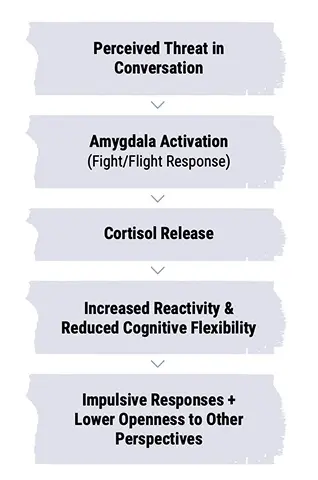
AI drafts reports and answers emails before most peo- ple finish their first coffee. But as more tasks are auto- mated, a new question arises:
According to the World Economic Forum, judg- ment, communication, and the ability to learn faster than the world is changing are among the top 10 skills professionals need.
The technology around us will keep evolving. The ability to question assumptions, connect with others, and remain open to learning will continue to matter, regardless of what comes next. The technology around us will keep evolving.
Like technical expertise, these skills are built gradually through projects, conver- sations, and real experience.
Skill #2: Critical thinking: the control layer in an ai world
Did you know that people have been dancing for at least 15 thousand years? The cave paintings with dancing people prove that. Have you ever wondered what kind of dance it was? What was their dance culture? What type of music did they dance to? Surely cultural studies can tell you about that.

Tech workers take the stage
Theatre Charity
"I’m incredibly proud of what this project has become and, most importantly, of the people who made it happen. From the very beginning, it was clear that brave, talented, and highly motivated individuals had decided to join. They came from different teams, offices, and backgrounds, but step by step, they learned to rely on one another and became a unified team. And the journey wasn’t easy."

Volha Bukhal
Head of Learning & Development and LX Theater Project Manager
Every day at LeverX, people learn new things and grow professionally. Yet most of those stories never get told. The LX Ambassadors program was created for people who feel they have something worth sharing.
After all, expertise is only part of the equation. Finding the confidence to share it, identifying topics that genuinely matter to you, and developing an au- thentic style can be just as important.

Nine reasons why people
struggle with English
Even After Years of Study
Four learners and one teacher on overcoming forgotten words and mid- sentence freezes.
People rarely fail at English because they are inca- pable of learning or lack intelligence. More often, they fail because they approach language like a school subject to be mastered rather than a lifestyle to be absorbed.
LeverX English teacher, Olga Mozhugova, togeth- er with our colleagues, challenges several familiar beliefs about how we learn.
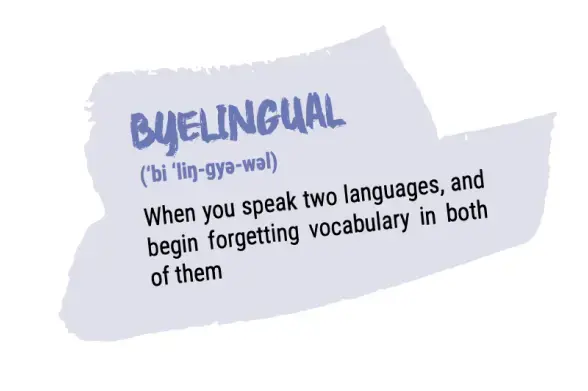
1 "People Try to Put a foreign language inside the logic of the native one"
AI gives answers that sound confident. That is exactly where the risk begins. A well-publicized case from 2025 illustrates this fact.
One of the Big Four accounting firms submitted a $290,000 AI-assisted report to the Australian government that cited academic papers that did not exist (Source: Fortune). The output looked professional and authoritative, which made it believable.

The game we always return to
In regular life, I’m pretty calm. I joke around, talk quietly, nothing unusual. But on the field, it’s com- pletely different. Full emotions, full adrenaline.
Mikita Hashnikau
PHP Developer
Football gives me something the gym never could
My girlfriend came to watch me play in a match for the first time. And afterward she just looked at me and said: “You’re a completely different person there.”
In regular life, I’m pretty calm. I joke around, talk quietly, nothing unusual. But on the field, it’s com- pletely different. Full emotions, full adrenaline.
You Don’t Really Leave the Game
I have played football since childhood. I studied in a specialized sports class in my hometown. It real- ly felt like the beginning of a sports career. Then, when I was 15, I got injured. After that, my parents pushed me toward education instead. I went to high school, later served in the army, completed my mandatory work placement, and kept playing football along the way.

Football Starts in the Locker Room
My coach used to say one thing: “Football starts in the locker room.” That means if a player is always late, for- gets things, and doesn’t respect the team before the game even starts, it eventually affects the match itself.

Darya Starasvetskaya
SAP Europe Partner Success Manager
Between code and canvas
Sometimes I get a sharp urge to paint. Just a few days ago, I was supposed to go to bed early. Instead, I pulled out a canvas and stayed awake much later because an idea suddenly clicked.
I began drawing seriously at the age of 13, after my dad bought me my first professional paints. No- body expected much from it back then. But some- how, 12 years later, it’s still part of who I am.

I have played football since childhood. I studied in a specialized sports class in my hometown. It real- ly felt like the beginning of a sports career. Then, when I was 15, I got injured. After that, my parents pushed me toward education instead. I went to high school, later served in the army, completed my mandatory work placement, and kept playing football along the way.


LeverX Georgia
LeverX Georgia becoming the third-largest LX hub
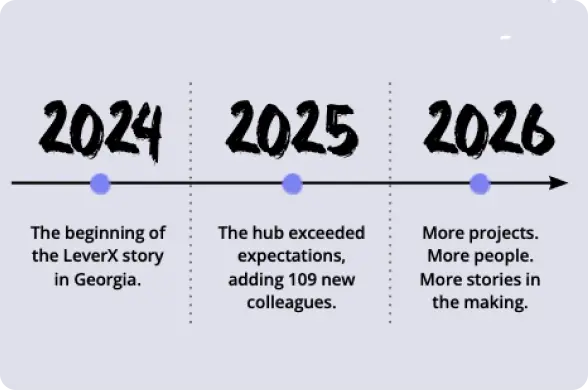
Over the past year, the LeverX Georgia team has grown from 38 to 147 employees, exceeding hiring tar- gets and positioning LeverX Georgia as the third-largest location in the LeverX global footprint. Director of Le- verX Georgia, Nino Gagua, comments on the factors behind this expansion.
Mikita Hashnikau
PHP Developer
Tbilisi
Georgia’s dynamic capital through colleagues’ eyes
Tbilisi shows its contrasts at every turn, allowing his- tory to run alongside a lively, contemporary pulse. Ancient buildings stand next to contemporary cafés. Narrow lanes open into modern districts filled with young creatives, families, and digital nomads.
Some even try speaking our language, learn to cook Georgian dishes, and begin to understand the culture from the inside. That, in itself, says a lot about the influence this city has.
Mariam Kochadze
Junior Front‐End Developer
Tbilisi is an Entertainer
A year ago, after completing the LeverX front-end course, I joined the company and met many colleagues from abroad. And as far as I can see, many people, whether ex- pats or tourists, end up loving Tbilisi.
Some even try speaking our language, learn to cook Georgian dishes, and begin to understand the culture from the inside. That, in itself, says a lot about the influence this city has.
The culinary compass
AI gives answers that sound confident. That is exactly where the risk begins. A well-publicized case from 2025 illustrates this fact.
One of the Big Four accounting firms submitted a $290,000 AI-assisted report to the Australian government that cited academic papers that did not exist (Source: Fortune). The output looked professional and authoritative, which made it believable.
Asi Khinkali (19 Ushangis Chkheidze St.)
AI gives answers that sound confident. That is exactly where the risk begins. A well-publicized case from 2025 illustrates this fact.
One of the Big Four accounting firms submitted a $290,000 AI-assisted report to the Australian government that cited academic papers that did not exist (Source: Fortune). The output looked professional and authoritative, which made it believable.

Kaklebi (19 Ushangis Chkheidze St.)
For a classic, well-seasoned khinkali experience that tastes authentic, visit Asi Khinkali. This cozy cellar restaurant, located in a 150-year-� old building in Tbilisi’s Marjanishvili district, is immensely popular, serving up around 1,000 khinkali every day.


How language lookalikes turn
global meetings into sitcoms
Georgia’s dynamic capital through colleagues’ eyes
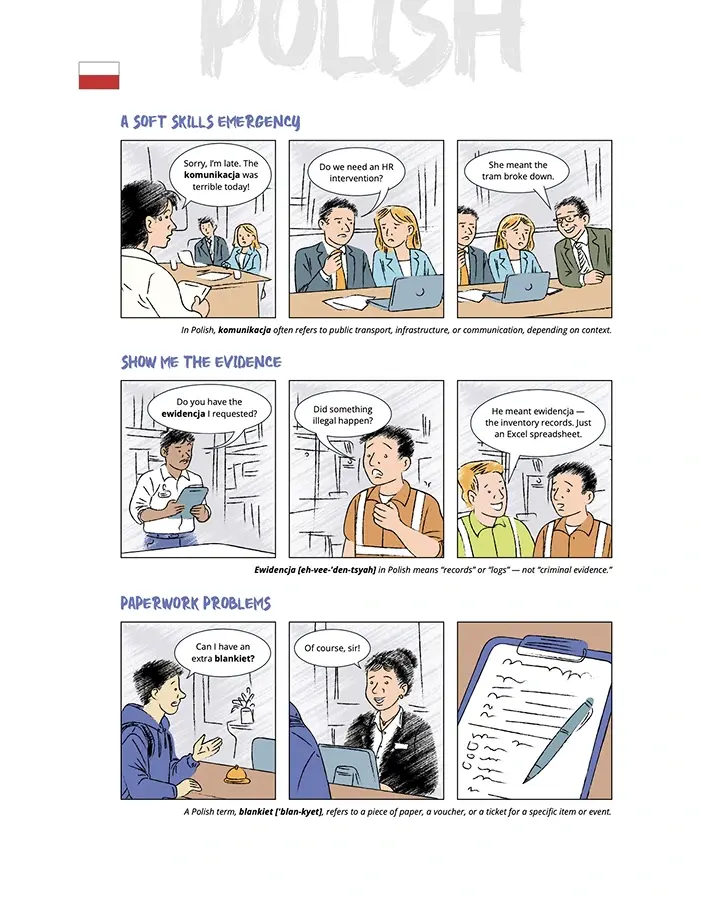
In borderless offices — with colleagues dialing in from Heidelberg, Wroclaw, or Miami — the lingua franca is often English. But words that sound famil- iar may hide completely different meanings. These so-called “false friends” are linguistic lookalikes with divergent definitions, and they often result in confusion or hearty laughter.
Here are some stories from multilingual work- places, where misunderstanding is just one inno- cent word away. In this article, we spotlight three languages: German, Polish, and Georgian.
Polish


LX recommends:
Books about different cultures
The perfect bucket list for an international career.
From LeverX’s 13th-floor office, the majestic Caucasus Mountains frame the Tbilisi skyline. Inside the office, the same sense of scale is reflected.
Over the past year, the LeverX Georgia team has grown from 38 to 147 employees, exceeding hiring tar- gets and positioning LeverX Georgia as the third-largest location in the LeverX global footprint. Director of Le- verX Georgia, Nino Gagua, comments on the factors behind this expansion.
Ernest Miller Hemingway
American Novelist
In my work, I mainly communicate with American clients, which naturally deepens my interest in the US and the UK. That interest has grown through constant language learning and a steady diet of local films and series. At the same time, I enjoy exploring books, films, and series that open windows into different cultures around the world.

The Kite Runner
Khaled Hosseini
The Kite Runner helped me better under- stand Afghanistan’s culture and history. Before reading it, the country existed in my mind mostly through news headlines. The book revealed a much more person- al and human side of Afghan culture, one deeply rooted in strong traditions and close family bonds. Through the lives of its characters, the book shows how social inequality and public expectations can shape relationships and alter entire lives. The themes of friendship, guilt, and re- demption made the strongest impression on me.
Shantaram
Gregory David Roberts
After reading Shantaram, I started seeing India through a new lens. The book vividly captures the atmosphere of Mumbai and shows how people from completely differ- ent social backgrounds live alongside one another. What stayed with me most was the way the story explores trust, loyalty, and the search for meaning through the protagonist’s personal journey. It helped me better understand Indian culture and the role family, friendship, and spiritual values play in people’s lives.
Ernest Miller Hemingway
American Novelist
In my work, I mainly communicate with American clients, which naturally deepens my interest in the US and the UK. That interest has grown through constant language learning and a steady diet of local films and series. At the same time, I enjoy exploring books, films, and series that open windows into different cultures around the world.
The Kite Runner
Khaled Hosseini
The Kite Runner helped me better under- stand Afghanistan’s culture and history. Before reading it, the country existed in my mind mostly through news headlines. The book revealed a much more person- al and human side of Afghan culture, one deeply rooted in strong traditions and close family bonds. Through the lives of its characters, the book shows how social inequality and public expectations can shape relationships and alter entire lives. The themes of friendship, guilt, and re- demption made the strongest impression on me.
Shantaram
Gregory David Roberts
After reading Shantaram, I started seeing India through a new lens. The book vividly captures the atmosphere of Mumbai and shows how people from completely differ- ent social backgrounds live alongside one another. What stayed with me most was the way the story explores trust, loyalty, and the search for meaning through the protagonist’s personal journey. It helped me better understand Indian culture and the role family, friendship, and spiritual values play in people’s lives.

Final words:
The Art of Becoming
At first glance, these pages are organized around four themes: Skills, Energy, Career, and World. In reality, they tell one story. Each theme supports the others, just as every stage of growth builds on what came before.
- Want to build your personal brand but aren’t sure where to start.
- Have already posted a few times, but then got busy and lost momentum.
- Have ideas to share, yet you’re not sure anyone would find them useful.
Read together, these stories reveal how transforma- tion unfolds.
Help Shape the Next Issue
If these pages reminded you of a story worth tell- ing, consider contributing to the next issue. Perhaps you’ve explored a new technology, found a better way for your team to cooperate, or built a work-life routine that your future self keeps thanking you for.
Every magazine issue starts with someone de- ciding that their story may help another colleague. The next one could begin with yours. Contact us at hrpr@leverx.com.
Thanks for your feedback!
Want to tell us a little more? Your feedback helps us make LX Insider more useful, engaging, and enjoyable to read.